
Workspace Solutions for Teams Scaling Beyond 100 Employees
Crossing the 100-employee mark feels like a milestone, but it is also a matter of concern.
The office that suited 30 or 50 people suddenly seems crowded, chaotic and costly. The meeting rooms are always busy. Teams vie for desk space. Managers are unable to find private spaces for critical conversations, and employees are spending more time figuring out the workplace than doing their work.
That’s where workspace solutions designed for growing companies come in.
Scaling your team is more than just buying more desks. It’s about creating an office for a bigger team that can flex as your business.
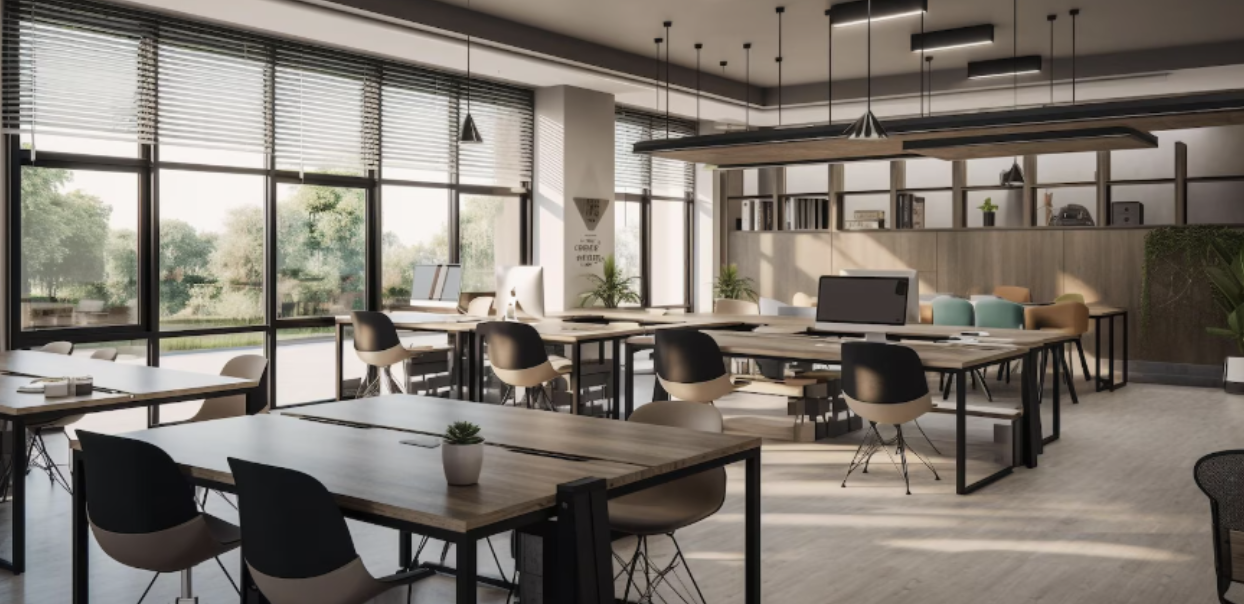
Growing Beyond 100 Employees: Why Your Workspace Should Change
Having 100+ employees means workplace requirements are much more complex.
You might have different departments, bigger management teams, hybrid employees, client meetings, recruitment needs and project-based teams all under one roof. Isn’t it?
Traditional office setups can have a hard time keeping up.
Growing companies need flexible workspaces that can scale with them, without the constraints of long term leases or fixed floor plans.
The goal is simple: create a workspace that can scale with the company rather than constantly redesigning it to catch up.
What Should an Office for Large Teams Include?
Scaling a workplace requires more than rows of desks. It needs to be able to support different types of work in the daytime.
1. Work Settings that Adapt
Not all employees need the same size of space for working.
Open plan workstations are meant for collaborative work and other places can be used for concentration. Flexible seating also makes managing flexible teams easier.
2. Meeting and Collaborative Spaces
As the company grows, so will its meetings grow.
Employees need room for:
- Internal deliberations
- Client presentation
- Videoconferencing
- Brainstorming
- Personal talks
- Teams’ Workshops
An effective office design must provide both formal meeting rooms and informal spaces for collaboration.
3. Rooms for Concentration
Not everyone who joins the office increases its noise level.
Phone booths, quiet rooms, cabins and focus areas can allow employees to concentrate better when open workstations are noisy.
4. Office Amenities for Employees
Now that you are competing for talented employees, you need to think about their workplace experience.
Breakout spaces, cafeterias, lounges, wellness rooms, and thoughtfully designed common areas can make your office a place where employees come not because they have to but because they want to.
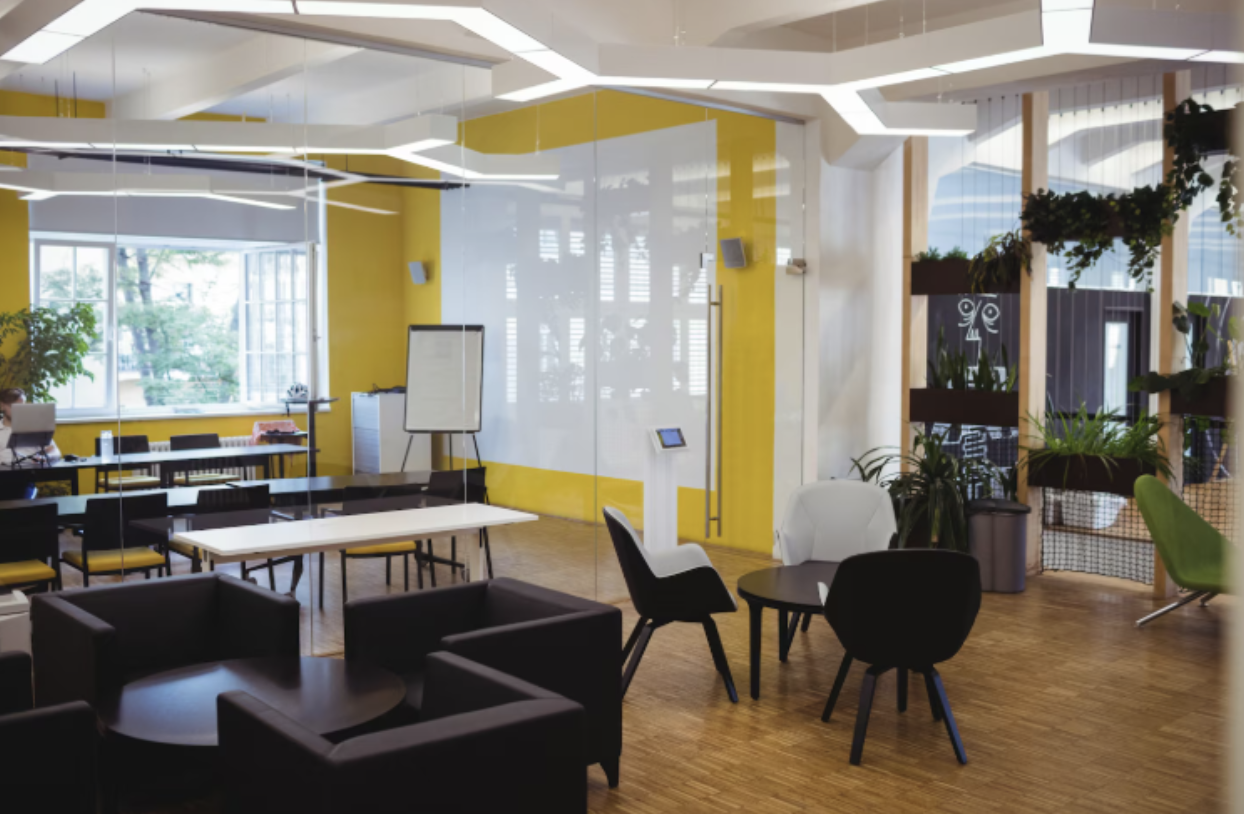
Scale Beyond 100 with 315 Work Avenue’s Flexible Workspace Solutions
315 Work Avenue is a reliable partner for businesses looking for Workspace Solutions for Teams Scaling Beyond 100 Employees. As your team grows, managing space, infrastructure, collaboration and employee needs can become increasingly complex.
315 Work Avenue provides fully managed workspaces designed to support growing teams without the hassle of setting up and managing an office from scratch.
From well-equipped workstations and meeting rooms to essential amenities and a professional environment, businesses can scale with greater ease. Whether you are expanding your team or entering a new location, 315 Work Avenue offers practical workspace solutions that help growing companies stay productive, connected, and ready for their next stage of growth.
Should Growing Companies Choose Flexible Workspace Solutions?
The answer is yes!
For companies experiencing rapid growth, flexibility can be a major advantage.
Traditional office leases often require businesses to predict their space requirements years in advance. But growth rarely follows a perfectly predictable curve.
Managed workspace solutions can provide an alternative by allowing businesses to scale their workspace alongside their teams.
They can be particularly useful for:
- Fast-growing startups
- Expanding technology companies
- Distributed teams
- New business units
- Companies entering new cities
- Project-based teams
- Businesses testing new locations
The objective isn’t simply flexibility for its own sake. It’s having the ability to respond when the business changes.
Common Workspace Mistakes Growing Companies Make
- Planning only for today’s headcount: A 100-person company could become a 150-person company sooner than expected.
- Overbuilding private offices: Too many permanent rooms can reduce flexibility and waste valuable floor space.
- Ignoring hybrid work: Empty desks don’t necessarily mean unused space. Workspace demand can change throughout the week.
- Underestimating meeting spaces: More employees usually means more collaboration—and more demand for rooms.
- Forgetting employee experience: A technically efficient office can still feel uncomfortable, uninspiring, or disconnected.
The best office for enterprises balances efficiency with experience.
Conclusion
Growing beyond 100 employees is exciting, but growth shouldn’t force your workplace to become a bottleneck.
The right workspace solutions give teams the freedom to collaborate, focus, meet and grow without constantly fighting against the limitations of their environment.
Because your office shouldn’t just accommodate growth.
It should help make growth possible.
Frequently Asked Questions
What is the ideal office space for a team of 100+ employees?
There is no universal number. Requirements depend on hybrid work patterns, meeting rooms, collaboration areas, private spaces, amenities, and expected growth.
What are flexible workspace solutions?
Flexible workspace solutions are workplace setups designed to adapt to changing business requirements, including fluctuating team sizes, hybrid work, and evolving space needs.
Is coworking suitable for large teams?
Yes. Modern coworking environments can support larger teams through dedicated team areas, meeting rooms, shared amenities, and scalable workspace options.
What should enterprises consider when choosing office space?
Enterprises should evaluate scalability, location, technology, employee experience, meeting facilities, privacy, amenities, and the flexibility to expand.
How can companies reduce workspace costs while growing?
Companies can improve space efficiency through flexible layouts, shared facilities, hybrid-work planning, and workspace models that allow them to scale according to actual demand.